Live2D / Commission Q&A
Ready to commission a Live2D model?
What to prepare and how to write your first inquiry
Bring together the artwork you have, the motion you want, your budget, and your planned launch date. Use our inquiry template to start a conversation, even if some details are still undecided.
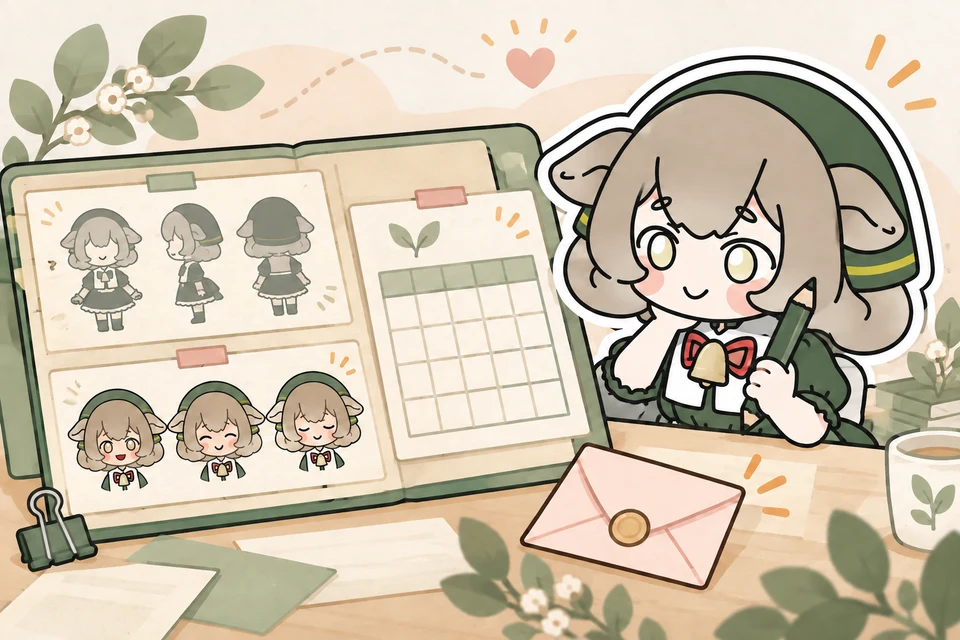
What do you need the studio to make?
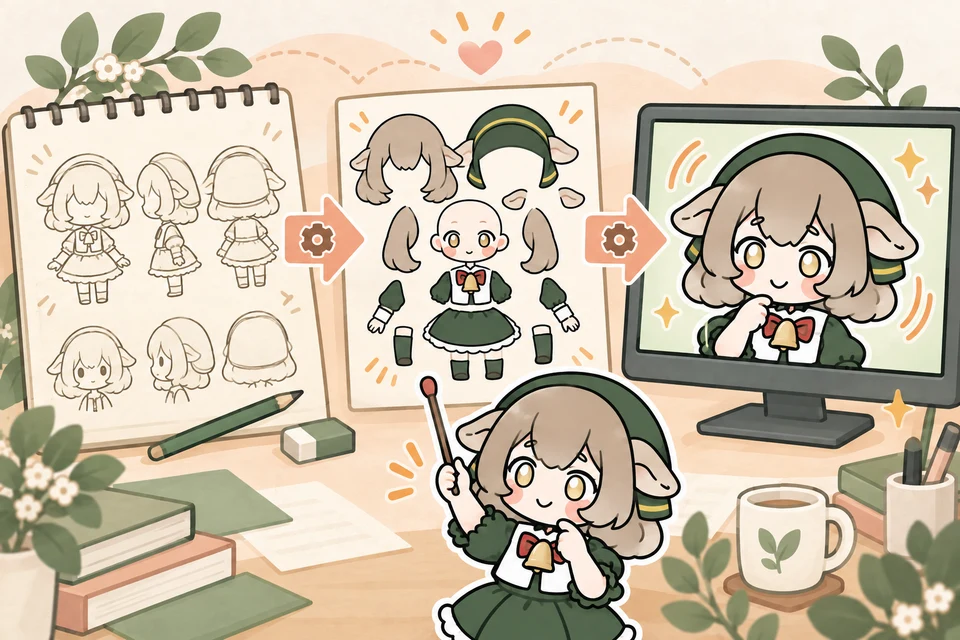
Start with what you already have. You do not need to know every technical term to ask about a project.
Tell us whether you need artwork and movement together, movement for existing artwork, or help deciding the scope.
I have an idea, but no artwork
Describe the character, their personality and the look you want. Mention whether character design, artwork prepared in separate parts, and Live2D rigging should all be included. Rigging is the production work that gives the character movement.
I already have artwork or a separated PSD
Share a preview and describe the available files. Identify the artist and confirm permission to use the artwork for rigging and any necessary edits. A file review is needed before agreeing what can be made or whether additional art preparation is required.
I am not sure what I need yet
Explain what you want to do: for example, introduce a character in recorded videos or debut as a streamer. List what you have and what is undecided. A clear goal is a useful starting point even without a finished specification.
A PSD can contain separate image layers. Live2D artwork is prepared as parts such as eyes, mouth and hair; a single PNG or the PSD filename alone does not establish whether the art is ready for the motion you want. Confirm permission to share the production files as well as to rig or edit them.
If you are still choosing between a custom character and a ready-made model, compare generic, one-off and custom options first. Buying a marketplace product and commissioning the studio are separate processes.
What should your first message include?
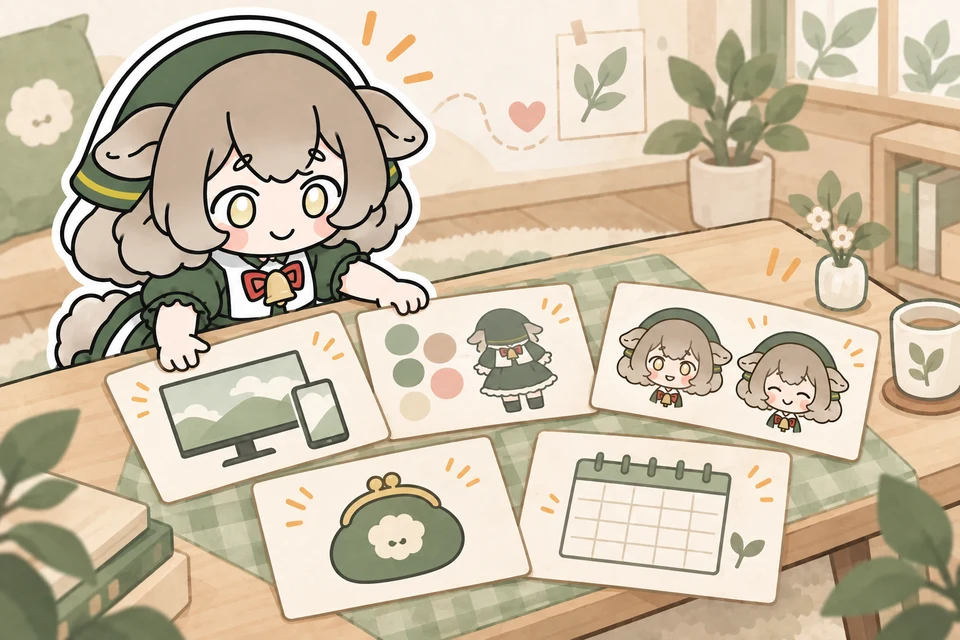
Separate what you need from what would be nice to have. That makes it easier to discuss a scope that fits your plans.
Your purpose and intended setup
Tell us where the character will appear and whether you plan to monetize the activity. Include the app, computer or phone, and tracking device you intend to use. If these are undecided, say so; we need to confirm the intended environment before agreeing the deliverables.
Character materials and visual references
Share character sheets, sketches, color preferences and links you have permission to share. Explain what you like about each reference: a soft expression, a color balance or a particular mood. References communicate direction; they are not a request to copy someone else’s character.
Essential and optional features
List expressions, movements, props and outfit changes separately. For example, “a happy expression is essential; a removable accessory is optional.” Link to a relevant studio portfolio example and describe the feature you mean. An example shows past work, not what every commission automatically includes.
A budget range with its currency
State the amount and currency together, and explain whether it covers artwork, rigging or both. It is fine to ask what scope might fit a range. Payment currency, method and any applicable fees need individual confirmation; a preferred currency is not an agreed payment arrangement.
Your preferred handover and launch dates
Give a preferred delivery date separately from your debut or launch. Leave room to check the model in your setup before using it publicly. Include your time zone and say which dates are flexible. Feasibility and the production schedule are confirmed after reviewing the request.
A first inquiry you can copy and adapt
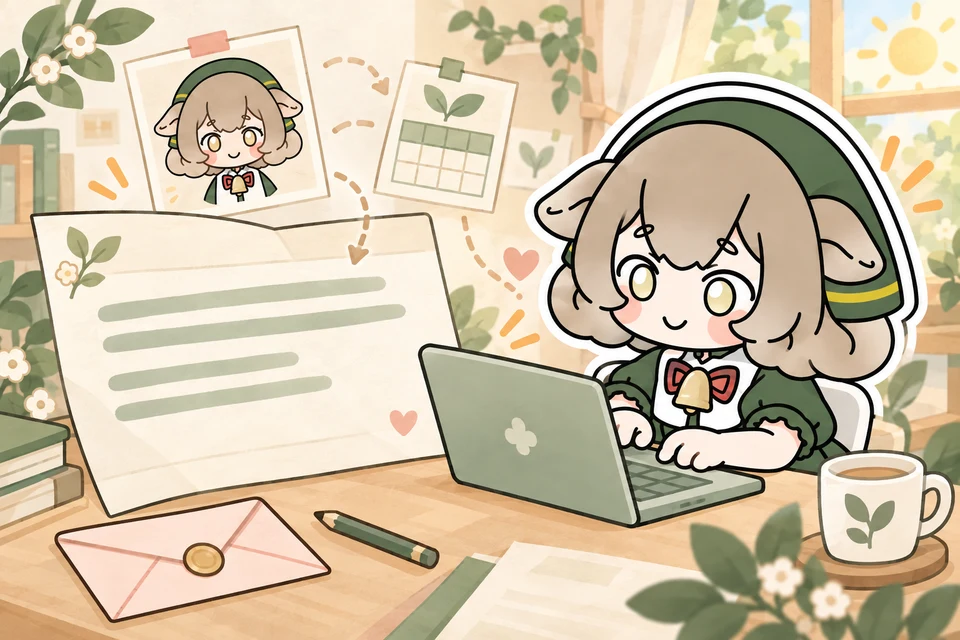
Replace the brackets with your details. “Undecided” is a useful answer, too.
You can write to Merino Kobo in English. Copy the template below into your email, remove anything irrelevant, and add links to the materials you can share. You do not need to commission everything listed here.
Subject: Live2D commission inquiry — [your name / project]

Hello Merino Kobo,
I would like to discuss a Live2D model for [purpose and platform].

1. Work requested
[Character design + artwork + rigging / rigging existing artwork / unsure]

2. Existing materials and references
[Links to character sheets, artwork or reference images]
[Artist's name; permission for rigging and any required edits]

3. Intended setup and use
[App, computer/phone and tracking device, or not decided yet]
[Monetized streams, videos, merchandise or other planned uses]

4. Features
Essential: [expressions, movements, outfits or props]
Optional: [features you would like if the scope allows]

5. Budget and timing
Budget: [range and currency; what it should cover]
Preferred handover: [date and time zone]
Planned debut or launch: [date, or undecided]

6. Other conditions
[Required files, credit, confidentiality or portfolio publication timing]
[Questions you would like to discuss]

Could you let me know whether this scope is feasible and what
additional information you would need for a quote?

Name / organization: [name]
Reply email: [address]
Country or time zone: [location / time zone]
Thank you.
The contact page helps you prepare an email; check the recipient and message in your email app, then send it there.
Open the illustration and Live2D contact page →What should be agreed before production?
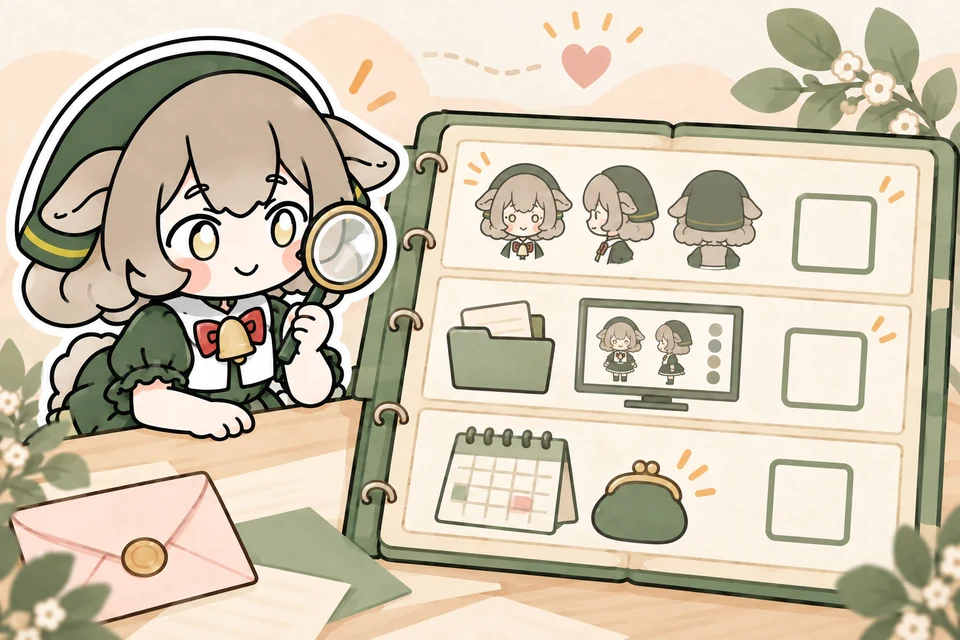
A shared written outline helps both sides understand what will be made and how it can be used.
Check the scope, files and conditions together
Before starting, confirm the quote, included work, delivery files, intended app, setup support and review stages. Ask whether editable source files are included if you need them. Also agree revision conditions, payment arrangements, usage permissions, credit and schedule, including how changes or cancellation would be handled.
Mention plans for monetized streaming, merchandise, later modifications or agency use individually. If you need confidentiality before a debut, discuss when the studio may show the work in its portfolio. These conditions are checked for each project; the template does not grant permissions or establish a booking.
Written English email is welcome. Merino Kobo works in Japan Standard Time (JST, UTC+9); sharing your time zone helps coordinate dates and reviews. The next step is to review your goals and confirm feasibility, rather than assume a price or delivery date from an example.
Read how the studio handles project discussions, or send an inquiry with what you know so far.